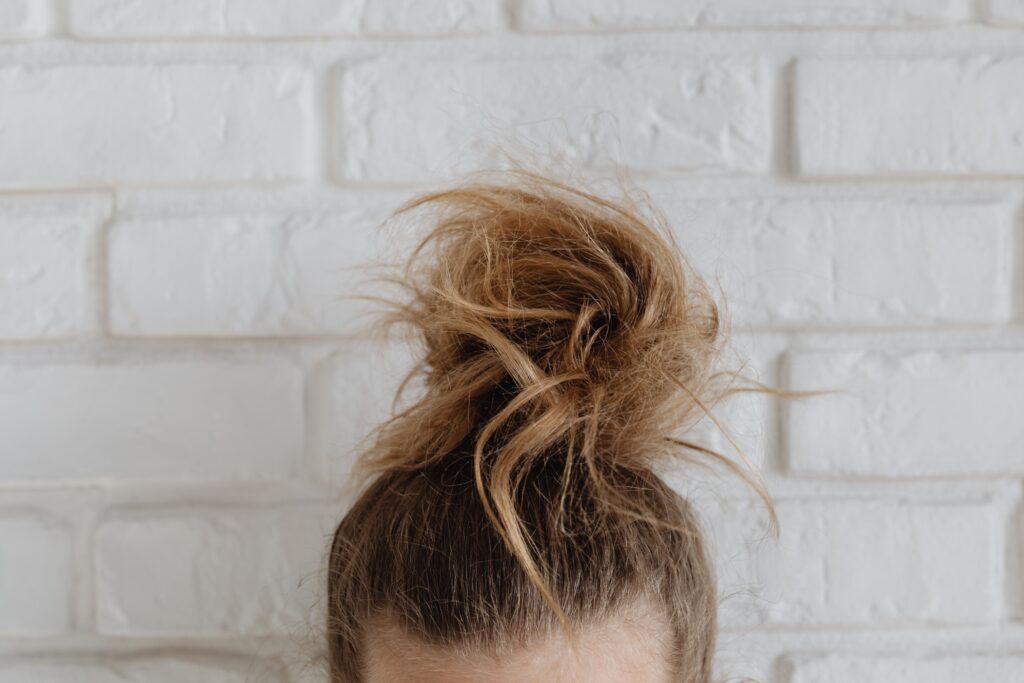
If you’re wondering how to fix damaged hair without reaching for the scissors, the good news is that many types of hair damage can be improved with the right care, products and habits.
Whether your hair feels dry, brittle, frizzy or prone to breakage, there are practical steps you can take to restore strength, improve shine and make your hair more manageable. While some severe damage cannot be completely reversed, a consistent hair care routine and professional treatments can often make a noticeable difference.
In this guide, we’ll explain what causes hair damage, which remedies genuinely help and when it may be worth seeking professional advice.
Can Damaged Hair Be Repaired Without Cutting It?
In many cases, yes.
Hair is made up of protein fibres that cannot technically heal themselves once damaged. However, the appearance, strength and condition of damaged hair can often be significantly improved through targeted hair care and professional treatments.
The key is understanding the type of damage you’re dealing with and taking steps to prevent further stress on the hair.
For example:
- Dry hair can often benefit from intensive hydration
- Heat-damaged hair may improve with protein-based treatments
- Chemically processed hair may require strengthening and moisture balance
- Frizzy hair can become smoother and easier to manage with specialist salon treatments
The earlier you address the problem, the better the outcome is likely to be.
What Causes Hair Damage?
Hair damage can develop gradually or happen surprisingly quickly.
Common causes include:
- Excessive heat styling
- Frequent colouring or bleaching
- Overwashing
- Harsh shampoos
- Tight hairstyles
- Sun exposure
- Chlorine and salt water
- Poor brushing techniques
- Lack of regular conditioning
Many people don’t realise that everyday habits often contribute more to damage than occasional salon services.
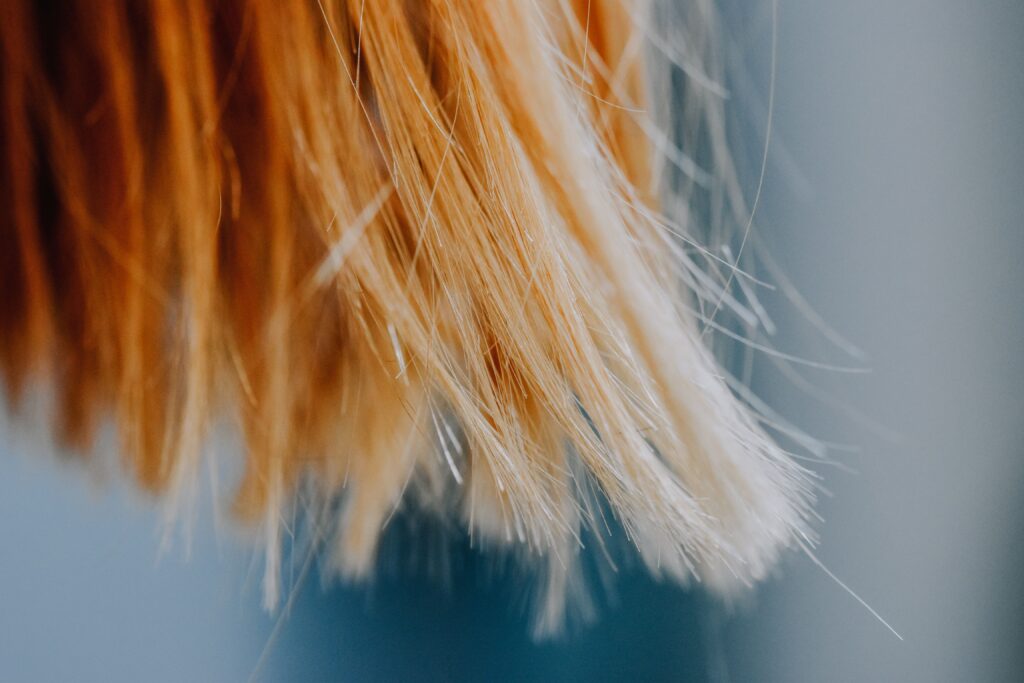
The Most Effective Ways To Improve Damaged Hair
Reduce Heat Styling Where Possible
Straighteners, curling wands and high-temperature hair dryers can weaken the hair cuticle over time.
If you regularly use heated tools:
- Lower the temperature setting
- Use a heat protection product
- Allow hair to air dry where practical
- Avoid multiple heat styling sessions on the same day
Giving your hair regular breaks from heat can help prevent further deterioration.
Use A Deep Conditioning Treatment Weekly
One of the simplest ways to improve dry hair is by introducing a high-quality deep conditioning treatment.
Unlike everyday conditioners, intensive treatments are designed to penetrate deeper into the hair shaft and provide longer-lasting hydration.
Look for products containing ingredients such as:
- Argan oil
- Keratin
- Coconut oil
- Shea butter
- Amino acids
Consistency is often more important than buying expensive products.
Be Gentle When Brushing
Damaged hair is more vulnerable to breakage.
To minimise unnecessary stress:
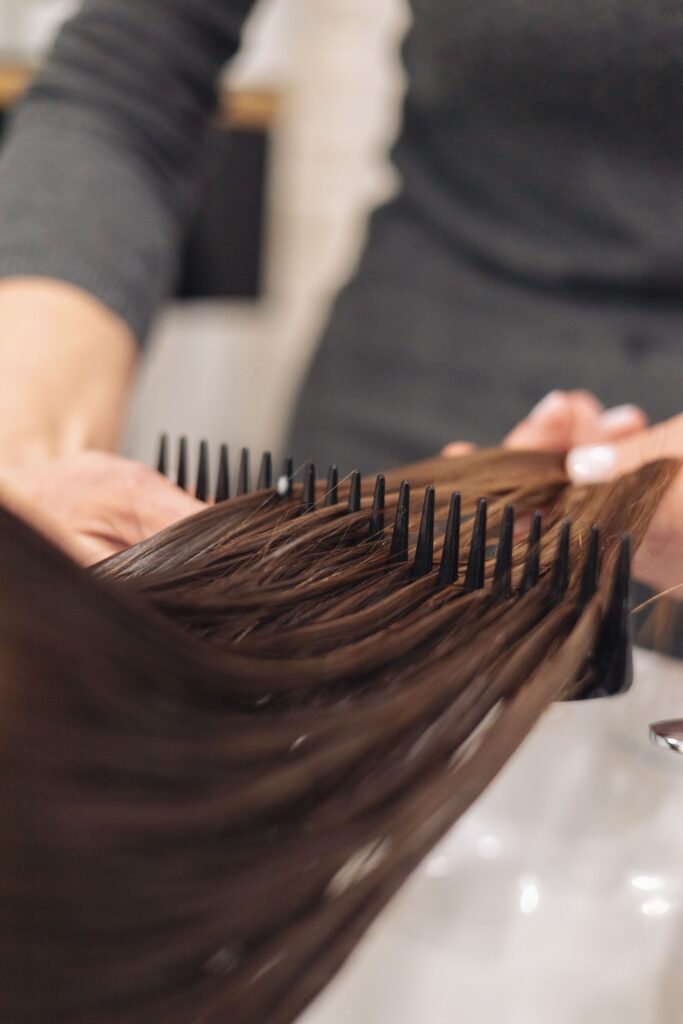
- Use a wide-tooth comb on wet hair
- Start detangling from the ends
- Avoid aggressive brushing
- Never force knots apart
Small changes in brushing habits can help preserve length while improving overall hair condition.
Review Your Washing Routine
Many people wash their hair more frequently than necessary.
Overwashing can strip away natural oils that help protect the hair and scalp.
Depending on your hair type, you may benefit from:
- Washing less often
- Using sulphate-free shampoos
- Choosing products designed for dry or damaged hair
- Applying conditioner primarily to mid-lengths and ends
A balanced routine helps maintain moisture levels and reduce dryness.
When Professional Hair Treatments Can Help
While home care is important, some types of damage respond best to professional treatment.
Salon treatments are often formulated with higher-quality ingredients and can target specific concerns such as:
- Severe dryness
- Frizz
- Chemical damage
- Lack of shine
- Poor manageability
At Therapy At The Registry, we often advise clients to combine a healthy home care routine with professional treatments for the best long-term results.
For people struggling with persistent frizz or unmanageable hair, our Keratin Silk Treatment can help smooth the hair and improve manageability while supporting a healthier appearance.
Common Mistakes That Can Make Hair Damage Worse
Many people unintentionally make the problem worse while trying to fix it.
Some of the most common mistakes include:
- Using excessive amounts of protein treatments
- Applying heat without protection
- Sleeping on wet hair
- Brushing aggressively
- Constantly changing products
- Ignoring split ends for too long
Hair restoration is usually about consistency rather than quick fixes.
A simple, well-planned routine often delivers better results than trying multiple products at once.
How To Support Long-Term Hair Restoration
If your goal is healthier hair over the coming months, focus on creating sustainable habits.
This includes:
- Regular conditioning
- Minimising heat damage
- Protecting hair during sleep
- Eating a balanced diet
- Staying hydrated
- Booking regular maintenance appointments
Professional advice can also help identify issues that may be contributing to ongoing dryness or breakage.
Whether you’re maintaining coloured hair, recovering from excessive styling or simply trying to improve hair health, a personalised approach usually delivers the best results.
If you’re considering colour services, it’s worth discussing aftercare recommendations during your appointment. You can learn more about our hair colouring services and hair styling services on our website.
Advice From Experienced Saltcoats Hairdressers
One of the biggest misconceptions about damaged hair is that it always needs to be cut off immediately.
While regular trims can help remove split ends and maintain healthy growth, many people can improve the condition and appearance of their hair through targeted treatments and better hair care habits.
As experienced hairdressers in Saltcoats, we often recommend focusing on prevention as much as repair. Protecting your hair from future damage is just as important as addressing existing concerns.
Frequently Asked Questions
It depends on the severity of the damage. While hair cannot technically heal itself, its appearance, strength and manageability can often be significantly improved through proper care and professional treatments.
Most people begin noticing improvements within several weeks of consistent care, although more severe damage may take several months to manage effectively.
Not necessarily. However, it may be worth reviewing your colouring routine and discussing options with a professional stylist to minimise further stress on the hair.
Keratin treatments can help improve smoothness, reduce frizz and enhance manageability. They may be beneficial for certain types of damaged hair when recommended appropriately.
Frequent heat styling, excessive chemical processing and poor hair care habits are among the most common causes.
Looking After Your Hair Starts With The Right Advice
Fixing damaged hair without cutting it is often possible when you understand what’s causing the problem and take practical steps to improve your routine.
Small changes can make a significant difference over time, especially when combined with professional guidance and suitable treatments.
If you’d like personalised advice about improving the condition of your hair, explore our range of hair services or get in touch with the team at Therapy At The Registry to discuss the best options for your hair type and concerns.